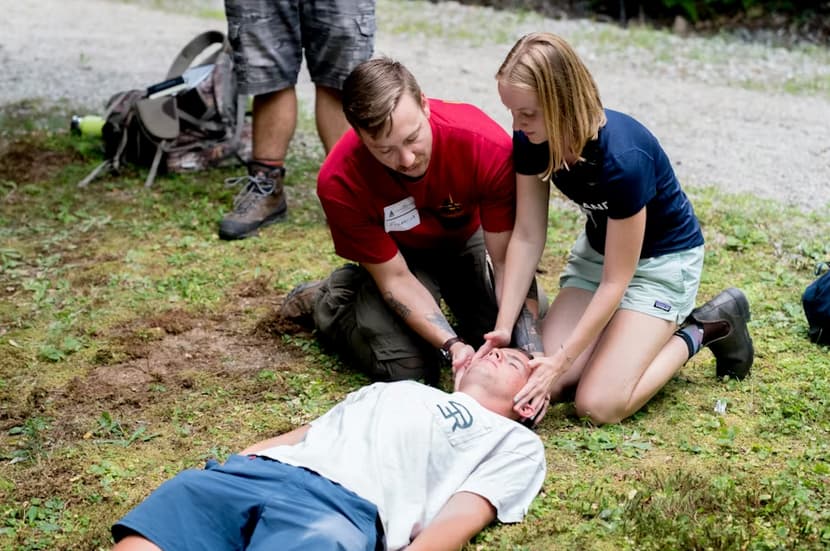
The moments immediately following an accident or a sudden health crisis are often defined by a chaotic mix of adrenaline and panic. In these critical seconds, the instinct to help is a powerful human drive, yet without proper training, this well-intentioned urgency can lead to errors that inadvertently worsen a patient’s condition. First aid is as much about knowing what not to do as it is about taking active steps. The line between a life-saving intervention and a dangerous mistake is surprisingly thin, often dictated by outdated myths or misconceptions passed down through generations.
The Danger of Moving the Injured
Perhaps the most frequent and potentially devastating mistake involves moving a person after a high-impact accident. In a car crash or a fall from a significant height, the risk of a spinal cord injury is extremely high. While a bystander might feel the need to pull someone out of a vehicle or help them sit up, any unnecessary movement can turn a stable fracture into permanent paralysis. Unless there is an immediate threat to life, such as a fire or an impending explosion, the golden rule is to keep the patient exactly where they are. Stabilizing the head and neck while waiting for professional paramedics is often the most heroic act one can perform.
Mismanaging Burns and Skin Injuries
When it comes to domestic accidents, burns are incredibly common, yet the treatment applied in most households is frequently incorrect. For decades, “folk wisdom” suggested applying butter, oil, or even toothpaste to a fresh burn. These substances are not only ineffective but actively harmful. They trap the heat inside the skin and create a breeding ground for bacteria, significantly increasing the risk of infection.
The correct approach is far simpler but requires patience. Running cool—not freezing—water over the affected area for at least twenty minutes is the only way to effectively dissipate the heat. Using ice is another common error, as extreme cold can cause further tissue damage known as “ice burn,” complicating the healing process.
The Misconception of Nosebleed Treatment
If you ask a room full of people how to treat a nosebleed, a large percentage will still suggest tilting the head back. This is an anatomical error that persists despite years of medical advice to the contrary. When the head is tilted back, the blood does not stop flowing; it simply changes direction, running down the throat and into the stomach or the airway. This can lead to choking or vomiting, which further increases blood pressure and worsens the bleed. The proper technique involves leaning slightly forward and pinching the soft part of the nose firmly. This allows the blood to clot naturally without interfering with the patient’s breathing.
Choking Interventions and Excessive Force
When someone is choking, the atmosphere becomes electric with fear. A common mistake is to immediately start slapping the person on the back while they are still coughing forcefully. If a person is coughing, it means their airway is only partially blocked, and they are doing the best possible thing to clear it themselves. Intervening too early with back blows can actually lodge the object deeper into the windpipe.
| Injury Type | Common Mistake | Recommended Action |
| Deep Cuts | Applying a tourniquet too early | Apply firm, direct pressure with clean cloth |
| Seizures | Placing an object in the mouth | Clear the area of sharp objects and time the event |
| Heat Stroke | Giving extremely cold water to drink | Cool the skin with damp cloths and sips of cool water |
| Eye Injury | Rubbing the eye to remove debris | Flush with clean water or saline solution |
Incorrect Use of Disinfectants
Cleaning a wound seems straightforward, but the use of hydrogen peroxide or pure alcohol is a mistake that many still make. While these liquids are excellent at killing bacteria, they are also “cytotoxic,” meaning they kill the healthy cells trying to repair the wound. This slows down the healing process and can lead to more prominent scarring. Simple soap and clean running water are usually sufficient for minor abrasions. Over-complicating the cleaning process often does more harm to the tissue than the original injury.
Overlooking the “Check, Call, Care” Protocol
Many people jump straight into “Care” without performing the first two essential steps. The most dangerous mistake a first aider can make is becoming a second victim. Entering a scene without checking for live wires, gas leaks, or oncoming traffic puts everyone at risk. Additionally, forgetting to call emergency services because you are too focused on the patient can delay professional life-saving surgery by several minutes.
- Always scan the environment for personal danger before approaching.
- Designate a specific person to call emergency services to ensure the message is sent.
- Avoid giving food or medication to an unconscious or semi-conscious person.
First aid is a dynamic skill that requires regular refreshing. As medical science evolves, old techniques are discarded in favor of more effective methods. By acknowledging these common pitfalls, we can ensure that our desire to help is matched by our ability to provide safe, effective care.